The Issues

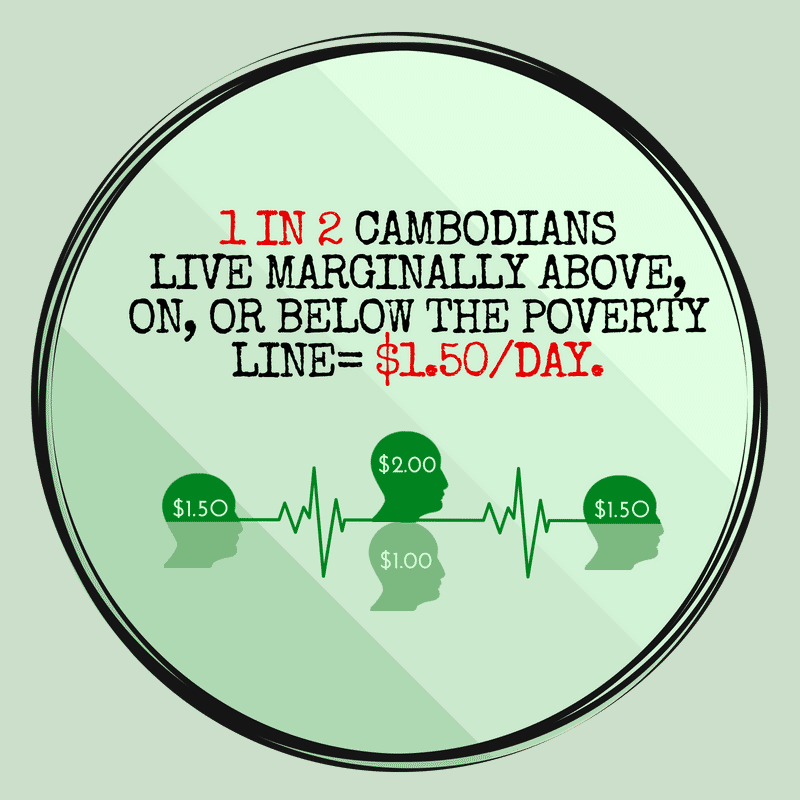
The poverty line is defined by an intake of 2,200 calories per day or an income of $1 per day in rural areas and $1.50 in urban areas.
– UNICEF, 2016
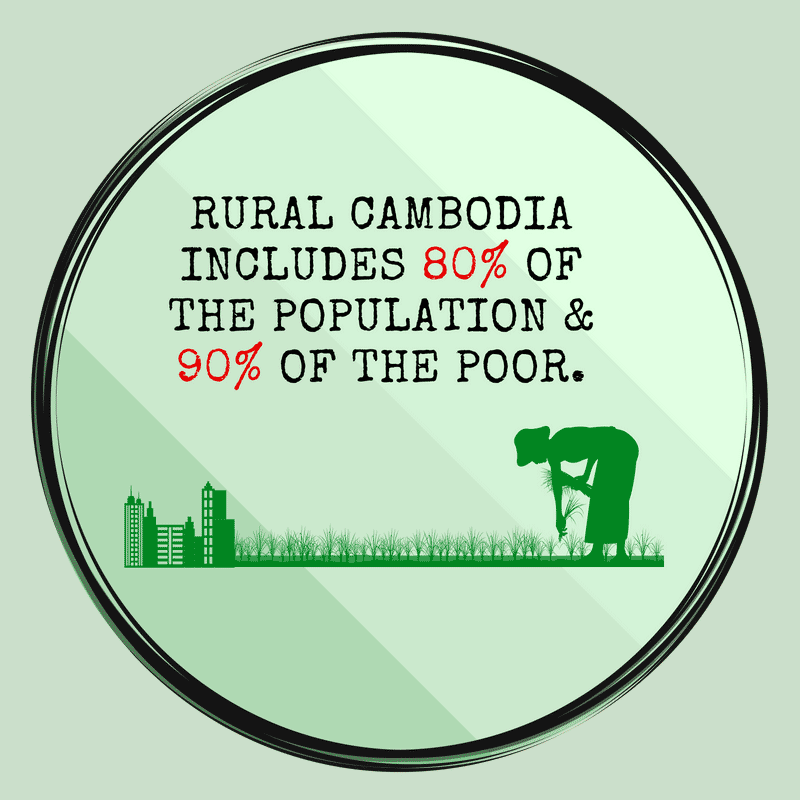
Cambodia’s poor people number almost 4.8 million, and 90% of them are in rural areas, 80% of the country. Most depend on agriculture for their livelihoods, but at least 12% of poor people are landless.
– UNICEF, 2016
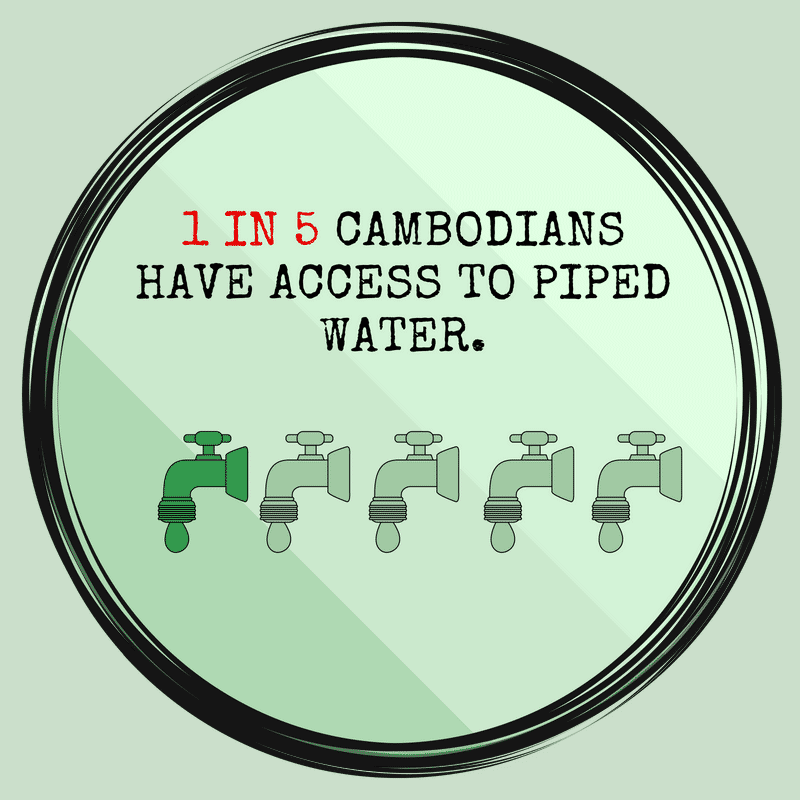
Many who live rurally are denied basic rights to safe water, the dignity of using a toilet, and the simple practice of washing hands with soap. High occurrences of diarrhea, skin disease and respiratory illness cast a shadow over rural child health and in many cases, the result is death.
– UNICEF, 2016
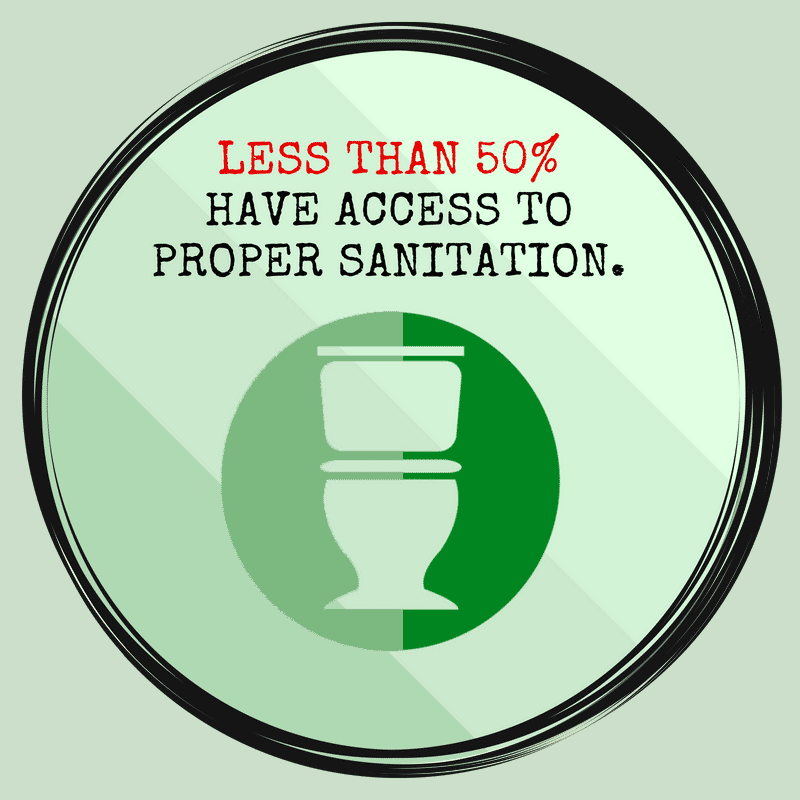
People living in urban areas of the country have 3 times more access to proper sanitation than those living in rural and peri-urban areas. Diarrhea prevalence is 5 times higher in some regions than others with the rich having 5 times more access to toilets than the poor.
– UNICEF, 2016

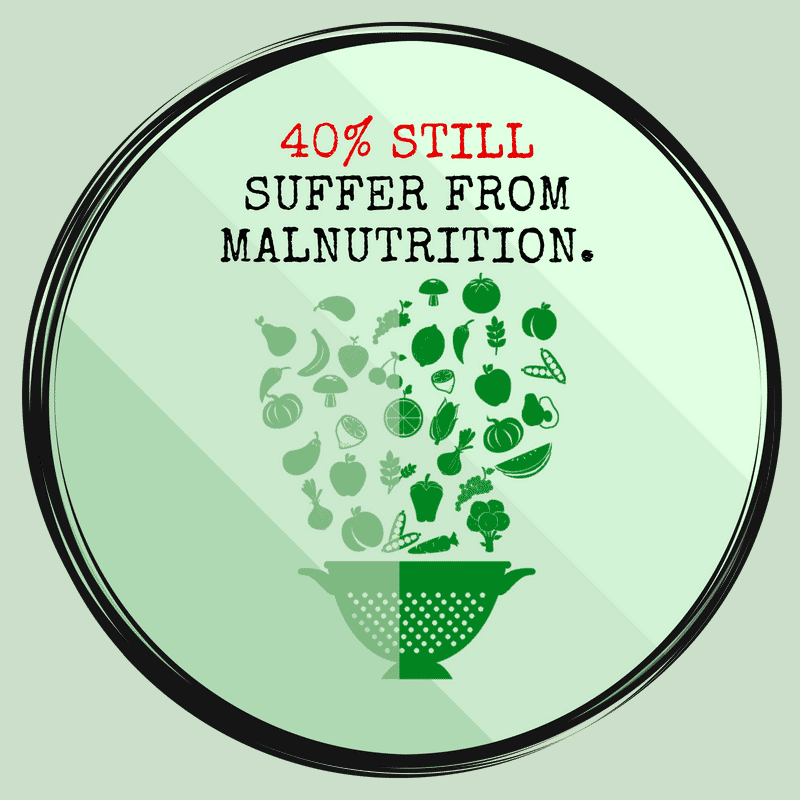
Despite recent progress, food security and education remain big issues in rural Cambodia. Young families, mothers, and children in poor villages lack the necessary knowledge, resources, or infrastructure to maintain a healthy standard of nutrition through food generation and consumption.
– World Food Programme, 2017
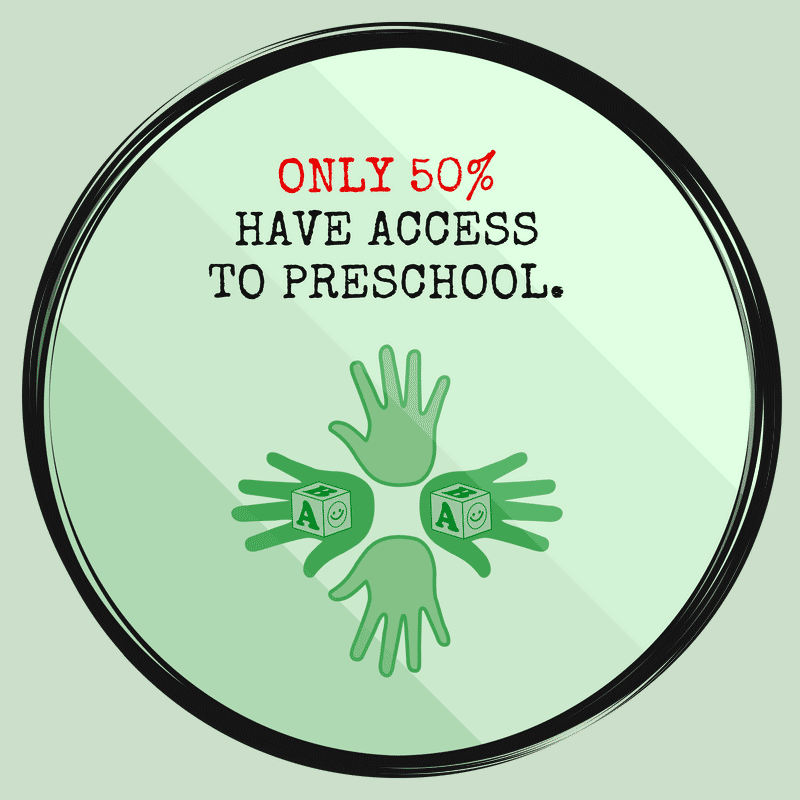
Remote locations in many districts across rural Cambodia lack access to preschool education. This is due to a lack of interest of qualified preschool teachers wanting to work in rural areas, a lack of preschool registration, and a lack of venues or construction of actual schools for classes to take place in.
-World Food Programme, 2017
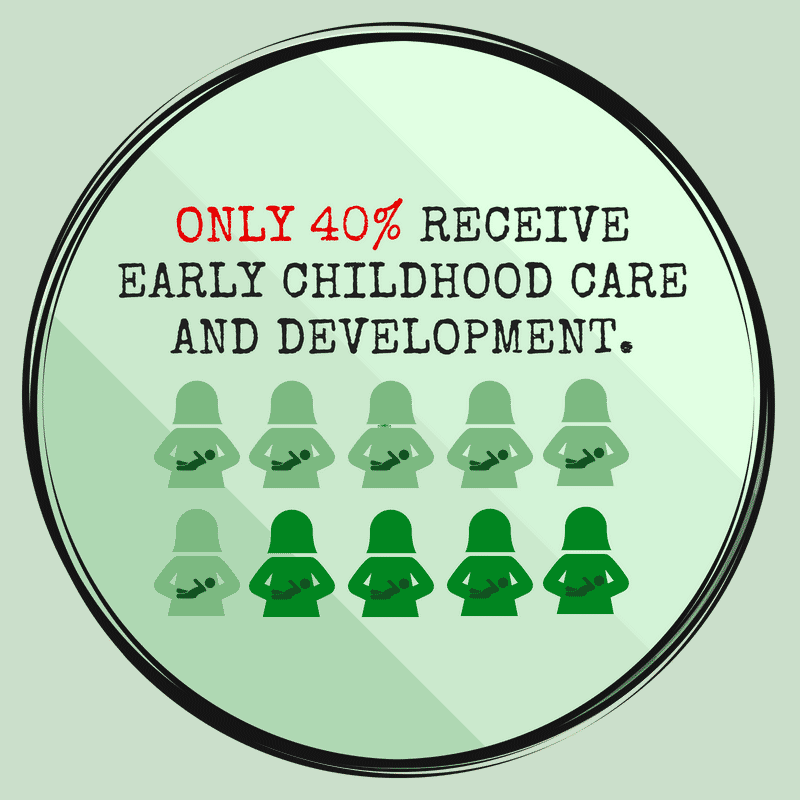
Preschools are critical for early stimulation. They foster the creative, intellectual and social development of young minds and has both immediate and long-term impacts on health, and how they learn and work. However, approximately 60% of Cambodian children under the age of six do not have access to early education.
– Plan International, 2016